

Sell a book on one marketplace and BookRouter takes it down everywhere else. This is the core protection against double-selling, and it runs automatically once your marketplaces are connected.
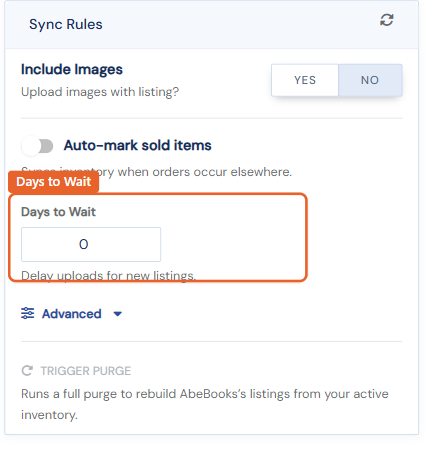
How it works
For marketplaces that support order download (AbeBooks, Alibris, Amazon, Antiqbook, Biblio and eBay), BookRouter regularly retrieves your sold orders. When a sale comes in:
- The item's quantity is reduced in your inventory (and its status set to Sold when the last copy goes).
- Removal or quantity updates go out to every other connected marketplace on the next sync.
- The sale is recorded in your unified sales history under that marketplace's channel, so it shows up in your Sales report alongside your other channels.
Sales on your own website work the same way in reverse: a checkout reduces the quantity and the marketplaces are updated on the next run.
The setting
On each supported marketplace's settings page, the Sync Rules card has the auto-mark-sold toggle. It is on for almost everyone; turn it off only if you deliberately manage sold stock by hand (and understand the double-selling risk).
Alibris needs one extra step
Alibris sends orders only once they have switched your account to EDI Lite and you have turned the feed on in BookRouter. Until then Alibris sales have to be recorded by hand. See Switching Alibris to automatic orders.
Venues without order download
Custom routes do not report sales back, so sales made there need to be recorded manually (the Sell Item button is the quickest way); the quantity change then propagates to the other venues automatically. Antiqbook orders download once your Antiqbook webservice API key is saved on the Antiqbook venue page; see Antiqbook: the new FTP server and your webservice API key. viaLibri is a referral service rather than a marketplace, so shoppers buy on your own website and those sales arrive as ordinary website orders.
For a channel-by-channel breakdown, see What each marketplace can sync.
Timing: syncs run on a schedule, so there is a window between a sale and its removal elsewhere. Multi-venue sellers occasionally sell the same single copy twice in that window; when it happens, cancel the later sale on its venue promptly.